
Search BPC
Search for content, licensing, rules, regulations, building issues or anything else.





Published 31 July 2026
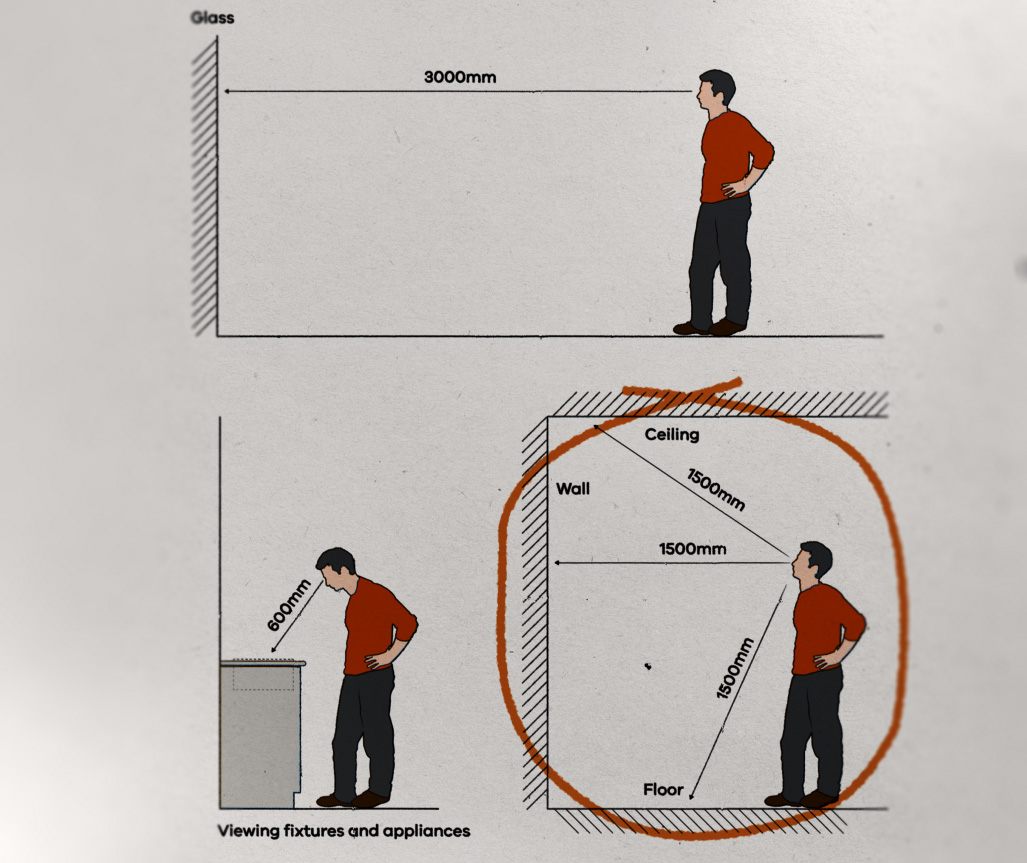
The guide is a practical benchmark which helps consumers and building practitioners understand what is generally considered an acceptable standard of domestic building work and what may fall outside acceptable industry tolerances.
Tolerance refers to the amount of variation allowed in the building work before it is considered defective.
While the guide does not substitute any compliance provision in the Building Act, it does support decision making when the legislation is silent or lacks clarity.
The guide can be used to assist building practitioners and homeowners resolve disagreements but it is not intended as a definitive determination of whether building work is considered defective.
For example:
State Building Surveyor Steven Baxas says the guide supports building practitioners to make consistent decisions.
'Professional judgement is still required but the updated guide is a safety net when something doesn’t fit within the legislative framework or is not specified in the building contract,' he said.
This edition includes updates to improve clarity, readability and consistency, together with refreshed references and guidance.
The BPC uses the guide as a reference when responding to enquiries and supporting the resolution of domestic building disputes.
The BPC’s free dispute resolution service assists in resolving disputes between homeowners and builders and avoiding the cost and delay of going to a tribunal or court.
The updated Guide to Standards and Tolerances applies from 1 August 2026.