Our initiatives to prevent water damage and protect consumers
Water ingress remains one of the most common and costly building defects in Victoria. It can compromise structural integrity, contribute to damp and mould, and lead to significant consumer harm, disputes and long-term rectification costs.
The Building and Plumbing Commission (BPC) carry out annual targeted regulatory activity focused on our regulatory priorities, including water ingress on balconies. This targeted activity includes documentation audits and site inspections of Class 2 and Class 3 buildings under construction. Our targeted activity confirms that water ingress, particularly on balconies, continues to present systemic and predictable risk across the sector.
Water ingress remains an ongoing regulatory priority, the BPC continues to address this harm through inspections, documentation audits, intelligence-led compliance activity and coregulatory oversight.
What is water ingress?
Water ingress occurs when water penetrates a building, often through leaks or improper sealing. This can happen due to poor design, construction defects, inadequate waterproofing, or lack of maintenance.
If left untreated, water ingress can result in:
mould and damp conditions that pose health risks
deterioration of building materials and structural elements
costly repairs, disputes and long-term maintenance issues
As water ingress often develops gradually and may not be immediately visible, defects are frequently identified after occupation, when remediation is more disruptive and expensive.
Preventing water ingress relies on:
good design
compliant construction
clear documentation
ongoing maintenance.
Why are we focusing on water ingress on balconies?
Balconies are a high-risk building element because they are exposed to weather and rely on several systems working together, including waterproofing, drainage, falls, set downs and construction detailing.
Analysis of inspections, complaints, dispute resolution data and research shows that balcony-related water ingress commonly occurs where:
design documentation lacks sufficient detail or coordination
waterproofing systems are poorly detailed, installed or protected
drainage and overflow provisions are undersized or incorrectly designed
construction does not align with approved plans.
Targeted inspection campaigns confirm that these issues are systemic, predictable and preventable. For this reason, water ingress on balconies remains an ongoing regulatory focus, addressed through routine inspections and compliance activity as well as targeted campaigns.
What do the targeted campaigns involve?
Our targeted campaigns include documentation audits and targeted inspections with a focus on raising awareness on reducing the risk of water damage.
When conducting these audits and inspections, the focus is on whether proper structural, waterproofing, drainage, and weatherproofing design and construction practices are being followed.
Any non-compliances identified during inspections are required to be rectified by the responsible practitioner at no cost to the consumer, ensuring the problems are resolved without additional expense.
What have we found?
The BPC has identified recurring issues, including:
Documentation gaps – insufficient detail to demonstrate compliance with the National Construction Code (NCC) and Australian Standards, missing evidence of suitability and inconsistent drawings
Waterproofing defects – thin or poorly applied membranes, missing terminations and fillets, poor substrate preparation and inadequate protection
Drainage non‑compliance – undersized outlets and overflows, incorrect falls and ponding, and overflows not terminating to atmosphere
Construction issues – incorrect setdowns, deviations from approved designs and poor trade coordination.
These findings show that water ingress is rarely caused by a single error. Instead, it typically results from weaknesses across the entire project lifecycle, from design and documentation through to construction and verification.
Co‑regulatory partnerships and design oversight
Through this targeted activity, the BPC is strengthening its co‑regulatory partnerships, including collaboration with the Architects Registration Board of Victoria (ARBV).
Where documentation audits identify design‑related risks, insights are shared with ARBV to support earlier identification of design‑stage non‑compliance, stronger professional accountability and improved documentation quality.
Practitioners should be aware that designs and documentation are subject to increasing scrutiny, and that outcomes from audits and inspections may inform co‑regulatory referrals where appropriate.
Information for practitioners
Water ingress, including on balconies, is an ongoing compliance focus. Practitioners are expected to manage water ingress risk from design through to the completed construction.
Practitioners should ensure that:
waterproofing and drainage are treated as critical building systems
documentation is clear, coordinated and capable of demonstrating compliance
construction aligns with approved designs, standards and manufacturer requirements
waterproofing is protected, tested and verified before concealment
records are maintained and accessible throughout the project lifecycle.
Strong documentation and disciplined construction practices support quality construction and reduce the risk of defects and regulatory action.
FAQs for practitioners
Water ingress is a leading cause of building defects and consumer harm. Balconies are especially vulnerable due to their exposure to weather and reliance on effective waterproofing and drainage. The BPC is proactively addressing these issues to prevent consumer harm and improve building standards.
Inspections for water ingress on balconies were a key focus of the BPC’s targeted campaigns in 2024 and 2025. These campaigns assessed balcony design, documentation, drainage, structural and waterproofing compliance. This work remains an ongoing regulatory priority, and the BPC will continue to direct inspections and compliance activity toward water ingress risks as part of its harms based approach.
Clear, coordinated documentation is critical to preventing water ingress. Documentation audits may continue to be used alongside or ahead of site inspections where risks are identified.
The BPC is working with co regulators, including ARBV, to strengthen oversight of design quality and professional accountability.
Practitioners must comply with the National Construction Code (NCC) and relevant Australian Standards, including AS 4654.1 and AS 4654.2 for external waterproofing.
If non compliant work is identified, practitioners may be required to rectify issues at no cost to the consumer. Further compliance or enforcement action may also occur where appropriate.
What this work means for consumers
Balcony water ingress problems often begin before a building is occupied, at the design or construction stage. The BPC’s regulatory activity has helped identify common issues earlier and strengthen oversight of balcony design and construction.
The outcomes of the targeted campaigns inform ongoing inspections and compliance activity, helping to reduce defects and protect consumers over time.
FAQs for consumers
Balcony designs and documentation are reviewed more closely, inspections are more targeted at waterproofing and drainage, and issues are more likely to be identified earlier.
Earlier identification of issues can reduce the risk of hidden defects, leaks and mould appearing after purchase or occupation, leading to lower repair costs and less disruption.
Preventing water ingress still relies on good design, compliant construction and ongoing maintenance. Consumers should remain alert to signs of water ingress and act early.
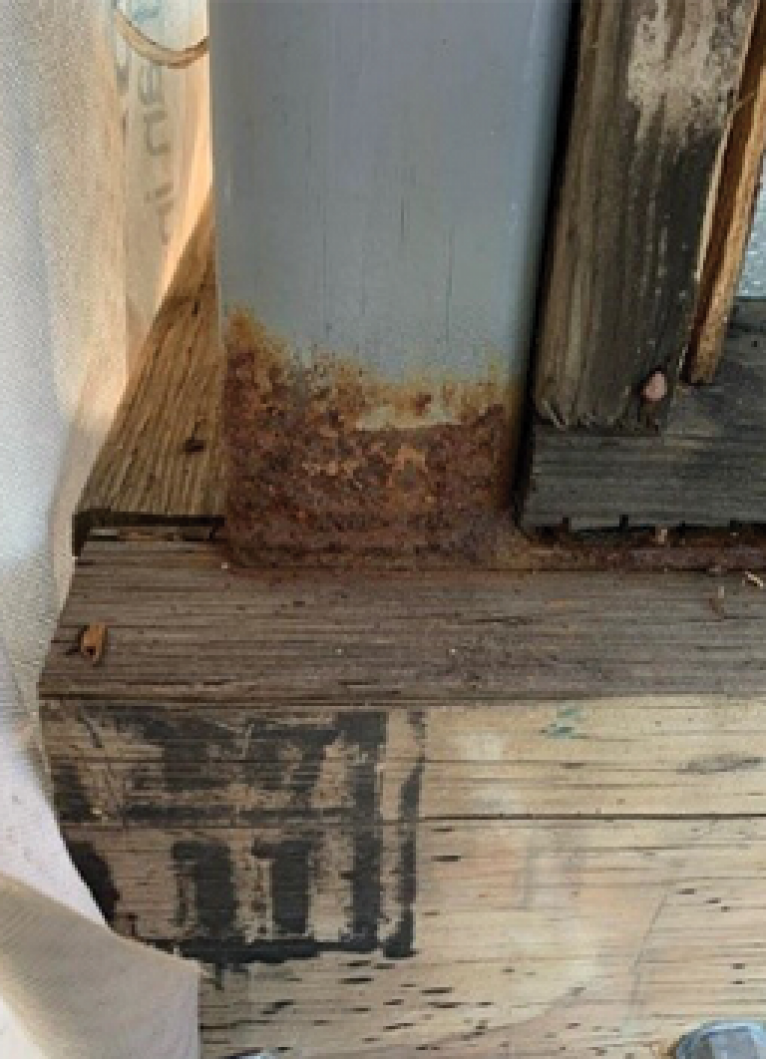
Look for leaks, dampness, mould, water pooling, cracks or corrosion, and ensure drainage points are clear.
If non compliant work is identified during inspections, the responsible practitioner must rectify the issue at no cost to the consumer.
This inspection campaign is targeting building sites under construction. If you notice signs of water ingress, such as mould, moisture, or dampness in your home, especially around balconies or other exterior areas, you should contact a registered/ licensed practitioner for advice and rectification as appropriate.
You can use the Find and check a practitioner page to verify if your builder or plumber is registered and licensed. This ensures they are qualified to perform the work and meet compliance standards.
Balconies are exposed to weather year‑round and rely on good design, compliant construction and ongoing care.
Owners and owners corporations should:
consult the relevant builder, plumber, building surveyor or an independent building inspector to understand whether the balconies have been constructed in accordance with the approved plans and to confirm compliance.
monitor for leaks, cracks, corrosion and drainage issues
The Building and Plumbing Commission is committed to reducing water ingress as a systemic harm, strengthening industry capability and protecting consumers.
While the targeted balcony campaigns have concluded, their findings are now embedded into ongoing, business‑as‑usual regulatory activity. Improving outcomes requires strong performance from design and documentation through to construction, maintenance and use.