
Was this page helpful?
Your rating will help us improve our website.





The purpose of this practice note is to provide direction on issues associated with the provision of overflow relief for protection against sewer surcharge.
The content below provides guidance on:
The Plumbing Code of Australia (PCA) is adopted by and forms part of the Plumbing Regulations 2018.
Part C2 of the NCC specifies the objectives, functional statements and performance requirements related to the installation of sanitary drainage systems.
AS/NZS 3500.2: Plumbing and drainage Part 2: Sanitary plumbing and drainage is a 'deemed to satisfy' document listed in Part C2 of the National Construction Code and section 4 of AS/NZS 3500.2 containing information on overflow relief gullies (ORG).
Water corporations sewer main may surcharge or overflow due to infiltration of stormwater, blockages occurring or a sewer collapse.
This surcharge has the potential to endanger health and cause serious internal damage to buildings.
To safeguard occupants and property, overflow provision must be installed in accordance with the requirements outlined in AS/NZS 3500.2 – Sanitary plumbing and drainage:
The spill level of the ORG must be at least 150mm lower than the lowest fixture connected to the drain, which is usually measured from the finished level of a shower grate or floor waste.
To prevent the ingress of any surface water, the overflow relief gully riser must be at least 75mm above the finished ground surface level.
(See Figure 1).
If the surrounding surface is paved, the riser must be finished at a level that does not permit ponding or the ingress of stormwater.
(See Figure 2).
A boundary trap low level vent (B.T.G.V) can be used in lieu of an overflow relief gully, provided that the ground level is low enough. The overflow invert level of this vent must be at least 150mm lower than the lowest fixture connected to the drain and the spill level of the overflow relief gully riser. This ensures the dwelling is protected from sewer surcharge. The vent must be at least DN100 in size and free from any obstructions to overflow.
(See Figure 3).
The licensed plumber or drainer must determine the correct levels for the overflow relief gully before starting drainage work. This may require coordination with the builder to set levels in relation to the slab floor and the proposed finished ground level.
Co-operation is required between the builder and the plumber at the planning stage of the job to overcome any potential overflow relief separation problems.
There must be no entry of surface water into any overflow relief gully or overflow ground vent. The minimum height between the top of the overflow gully riser (or the invert of the overflow pipe) and the finished surface level must be 75mm. If the gully riser is in a path or paved area, it should be finished level to prevent water ingress.
If an ORG cannot be provided or if the ORG cannot achieve at least a 150mm separation from the lowest fixture outlet, a reflux valve in addition to the ORG shall be installed in accordance with AS/NZS 3500.2.
Any reflux valves installed must be permanently accessible and fully serviceable from surface level.
For multi-unit developments, refer to section 14 of AS/NZS 3500.2.
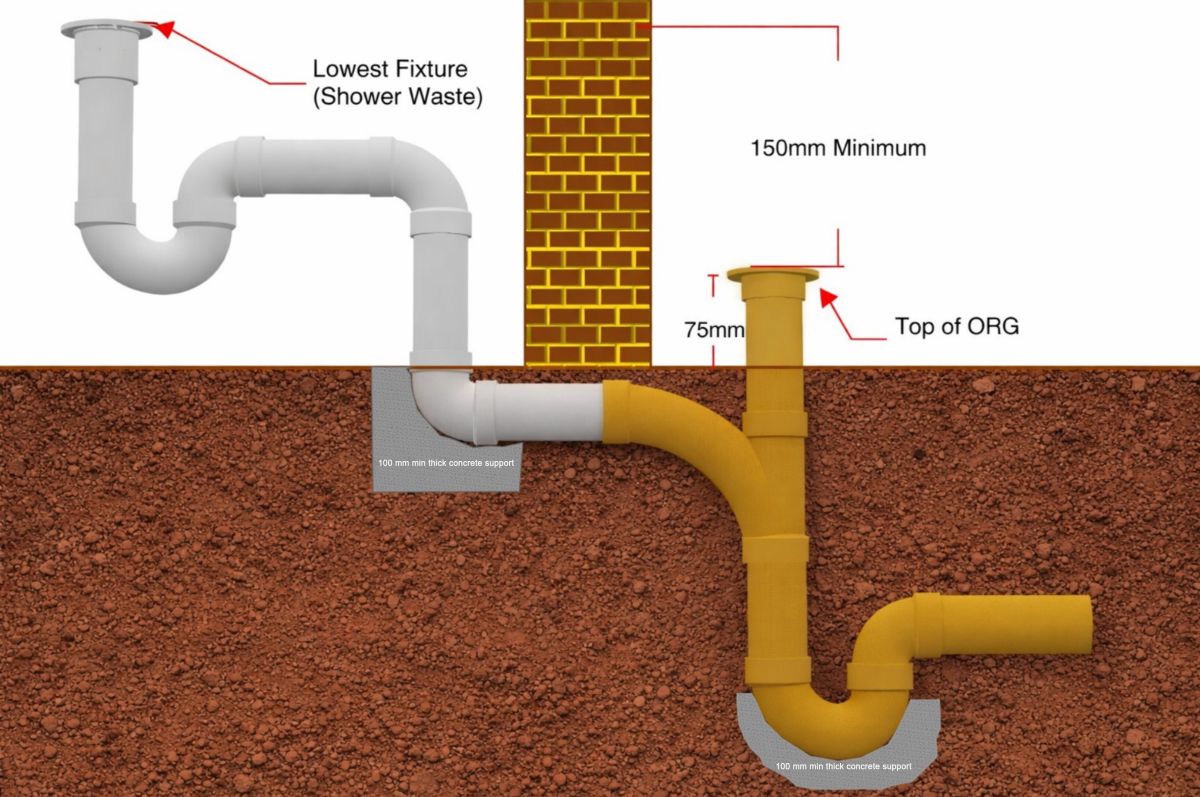
Figure 1: Requirements for an overflow relief gully. Refer to clause 4.6.6.6 and 4.6.6.7
If the top of the gully riser in flood-affected areas, refer to Clause 4.6.6.8.
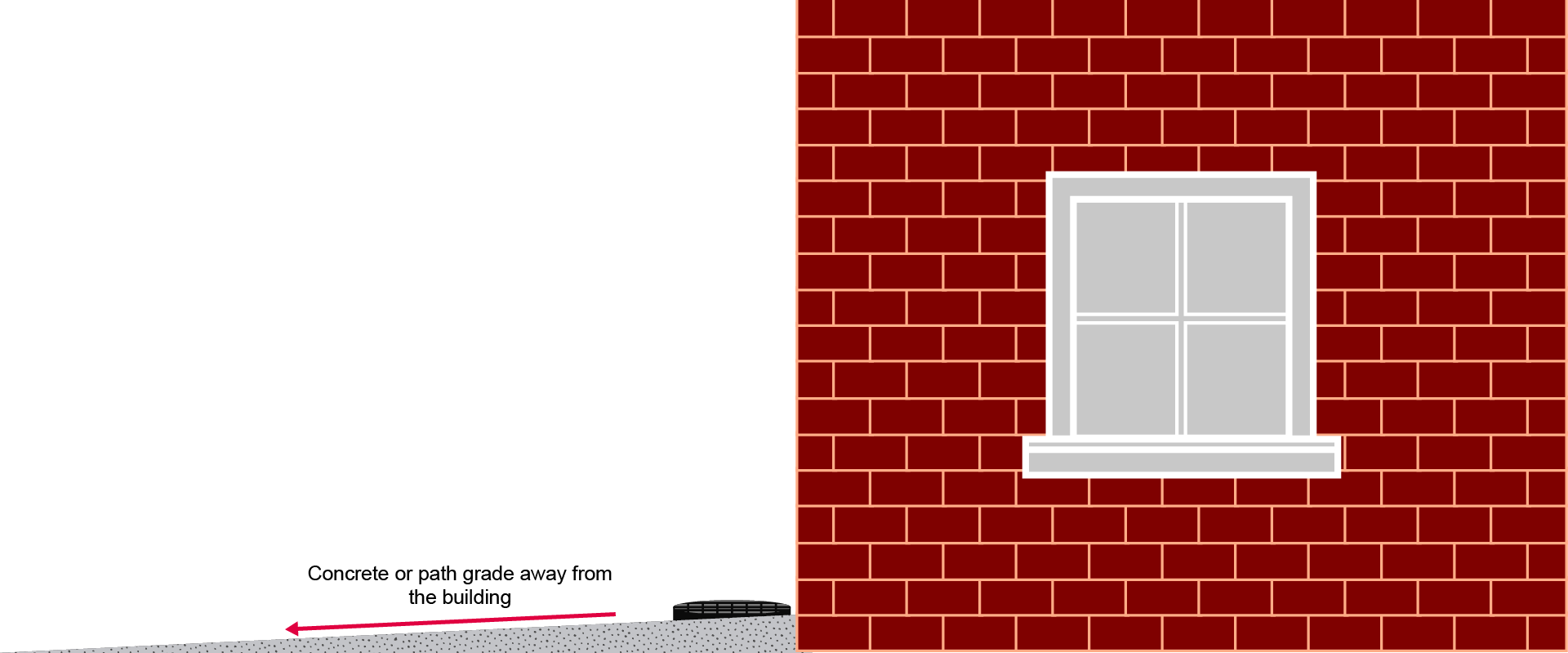
Figure 2: Where the surrounding surface around the ORG is paved. Refer to clause 4.6.6.7.
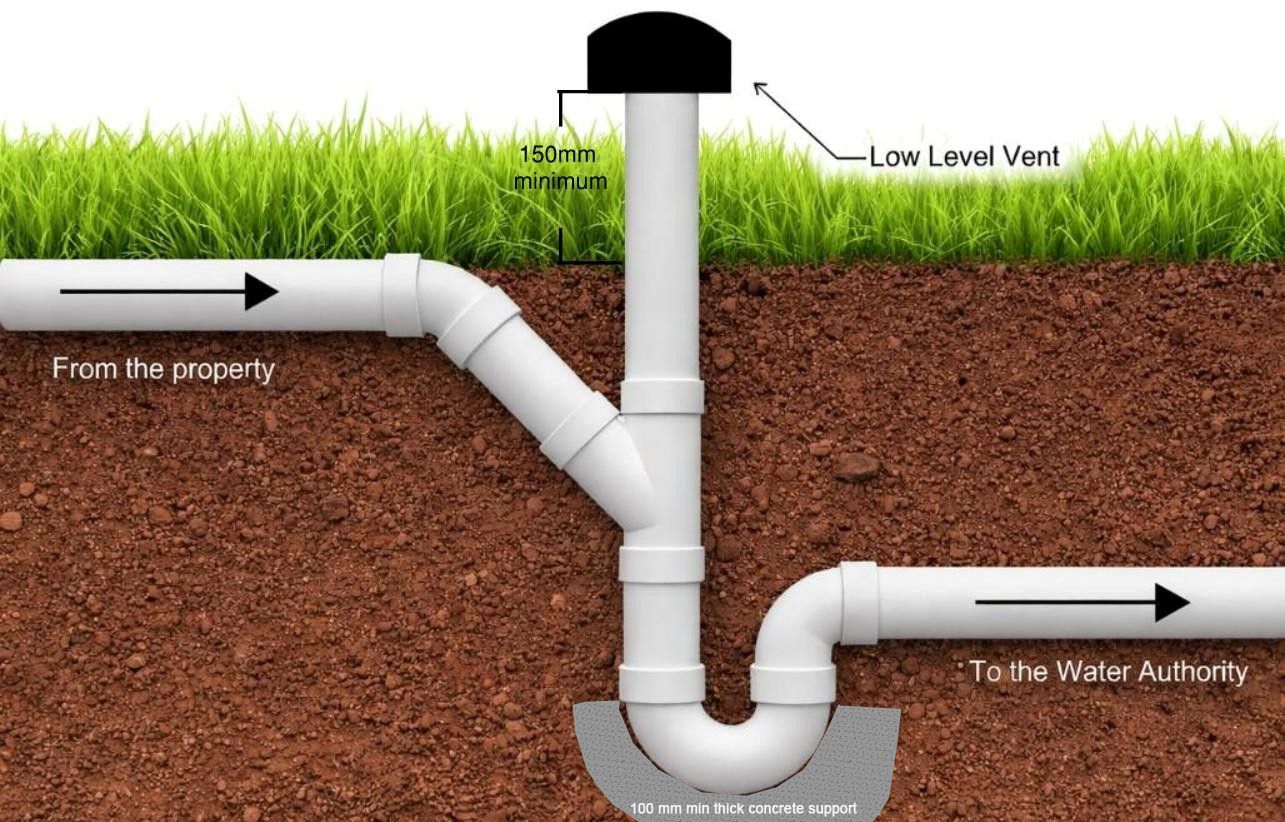
Figure 3: Requirements for boundary trap low level overflow ground vent
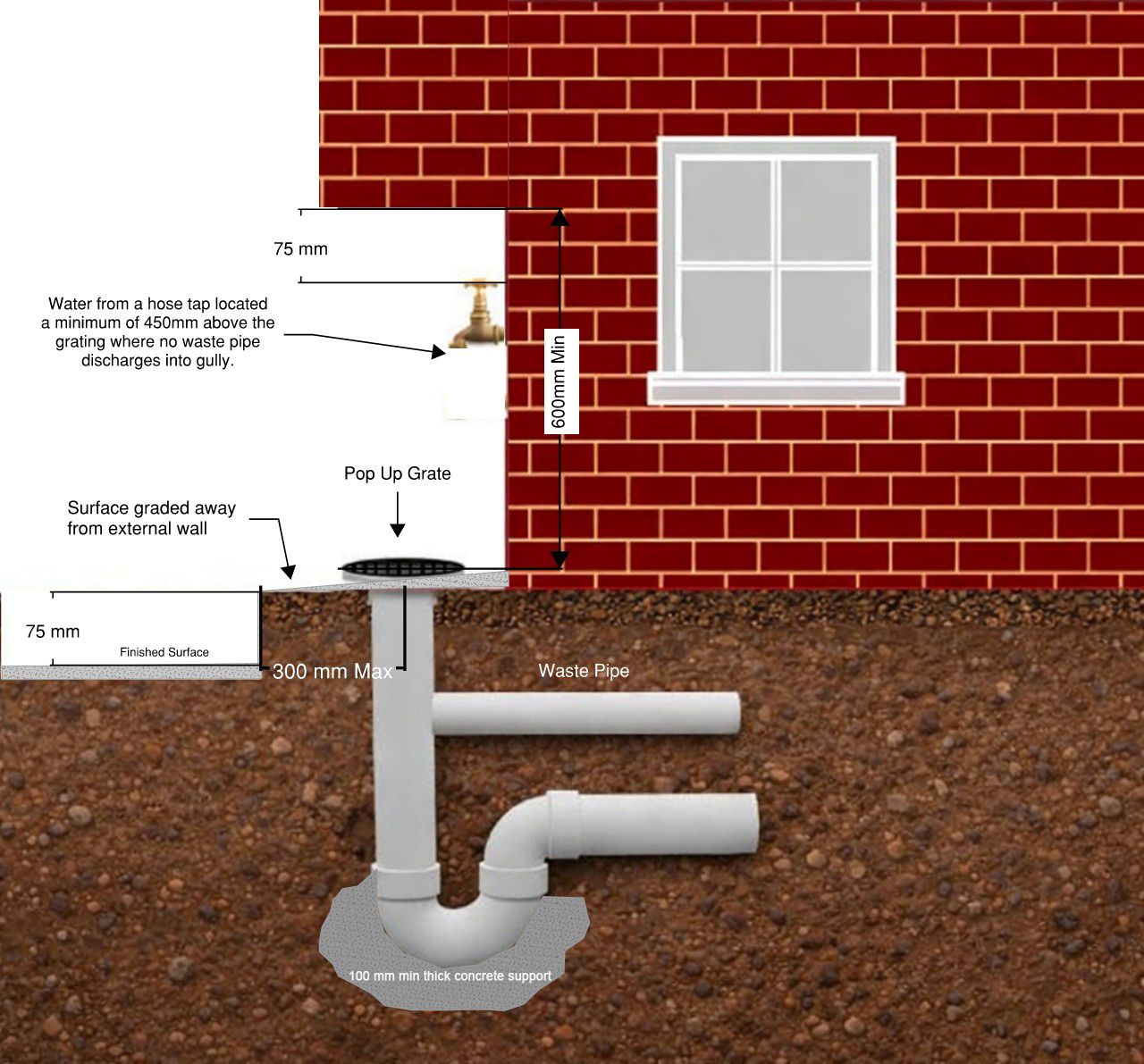
Figure 4: Typical details of overflow relief gully positioned in recess. Refer to clause 4.6.6.5
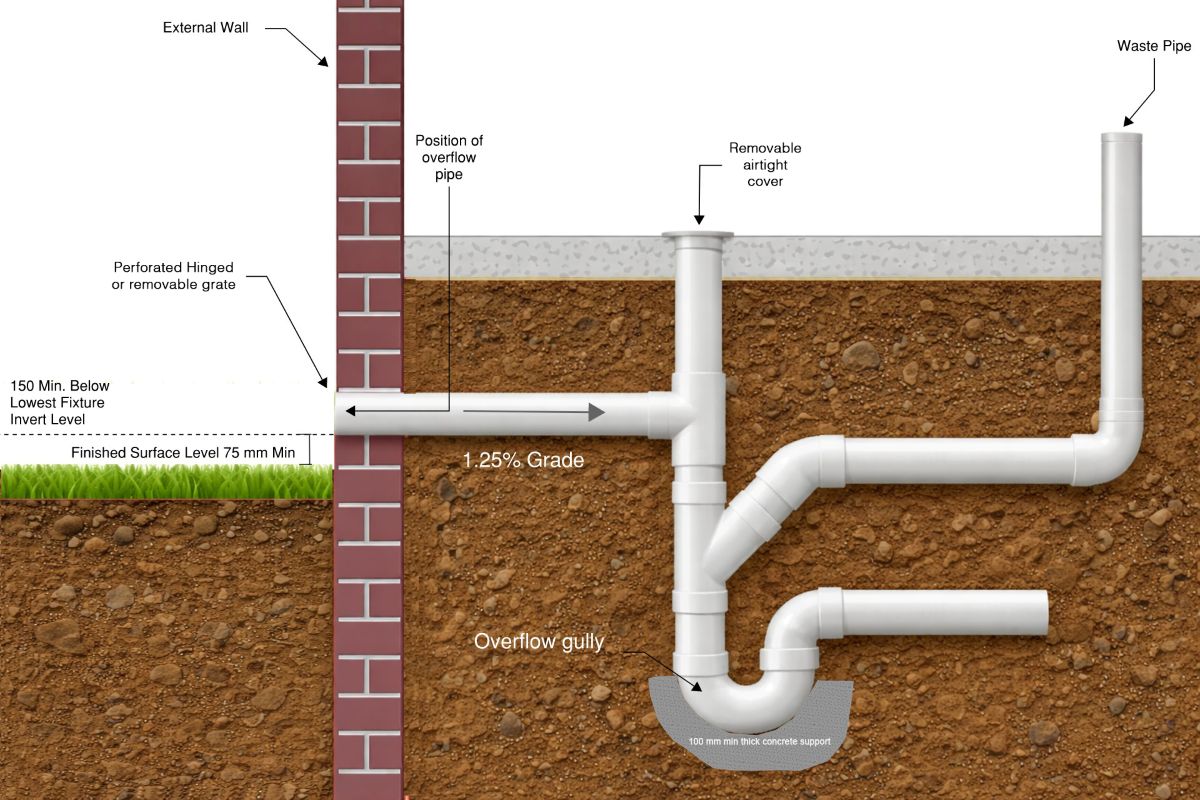
Figure 5: Typical details of overflow relief gully inside building. Refer to clause 4.6.6.5
An overflow relief gully may be omitted if the following requirements are met:
If you have a technical enquiry, please email plumbingtechnicaladvice@bpc.vic.gov.au or call 1300 067 088.